You’re planning to build a home — and the two main paths are clear: prefab or traditional build. But what do those actually mean in practice? And which is the smarter route for someone living abroad?
Let’s break down the key differences and help you decide which one suits your life, budget, and timeline best.
Traditional Build: What It Involves
- Designed and built entirely on-site
- Long build times (often 12–24 months)
- Multiple contractors to coordinate
- Prone to delays due to weather, labour, materials
- Often less predictable in cost
The upside?
More freedom to design from scratch and adjust as you go.
The downside?
It’s complex, time-consuming, and difficult to manage — especially from another country.
Prefab Build: What It Means
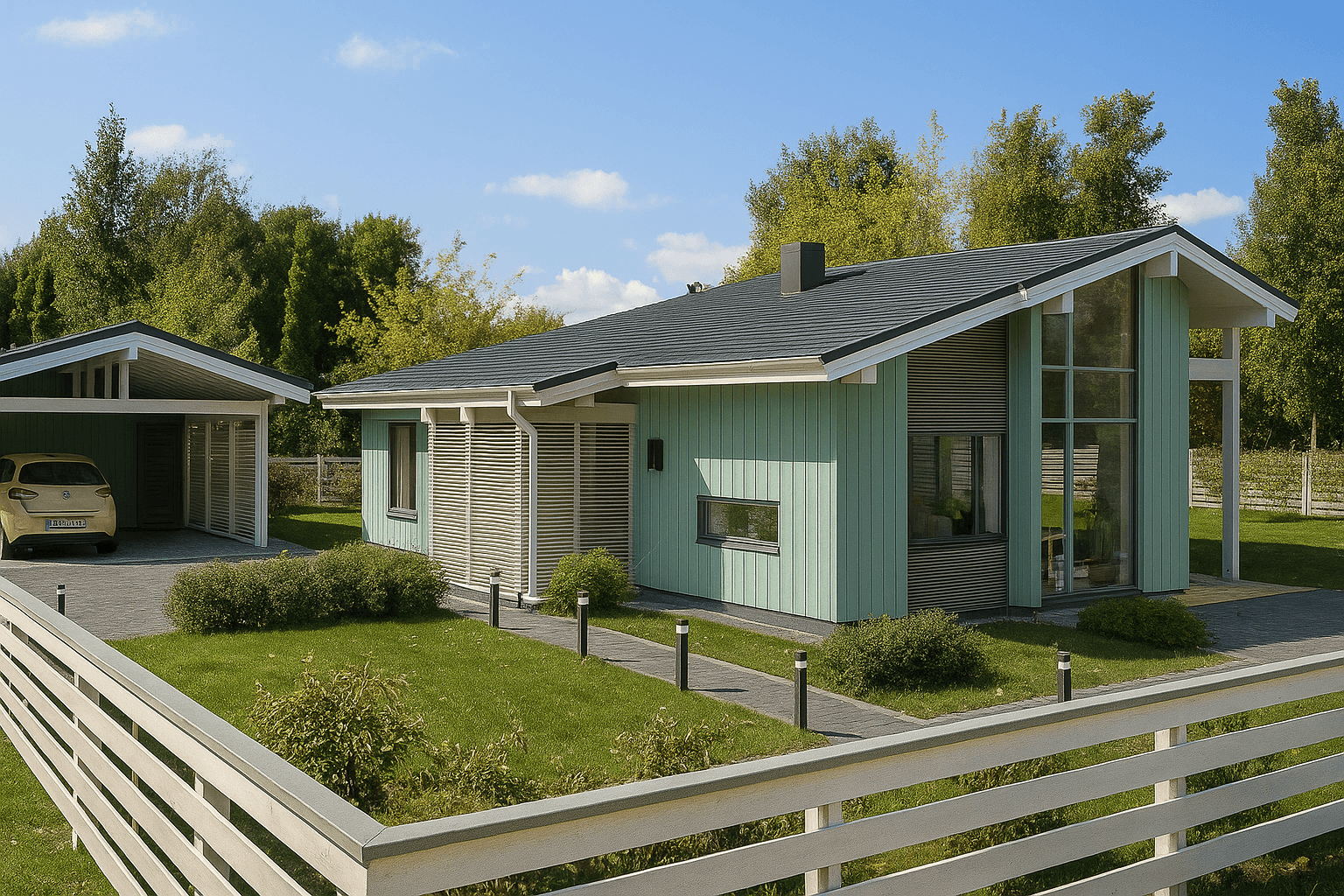
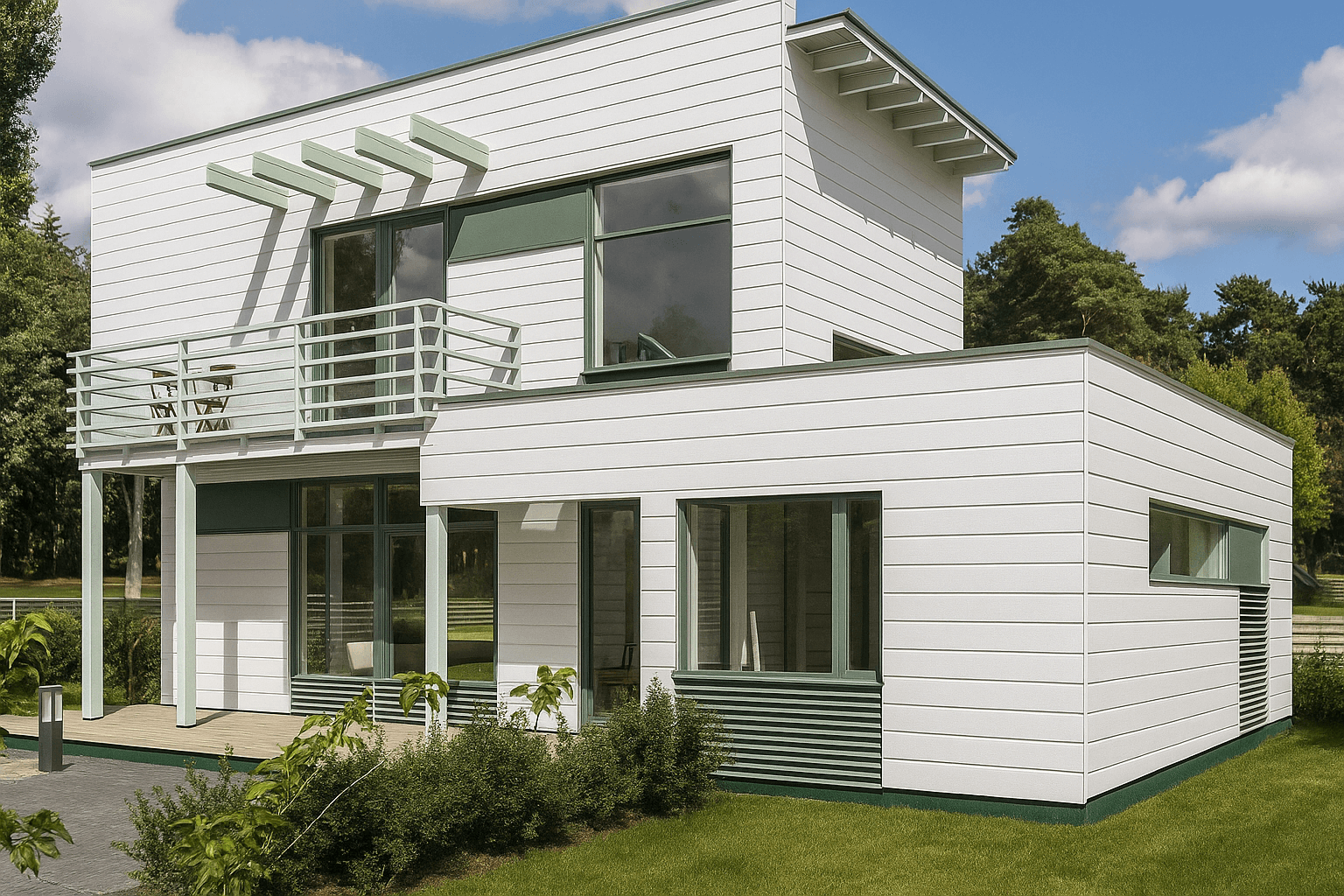
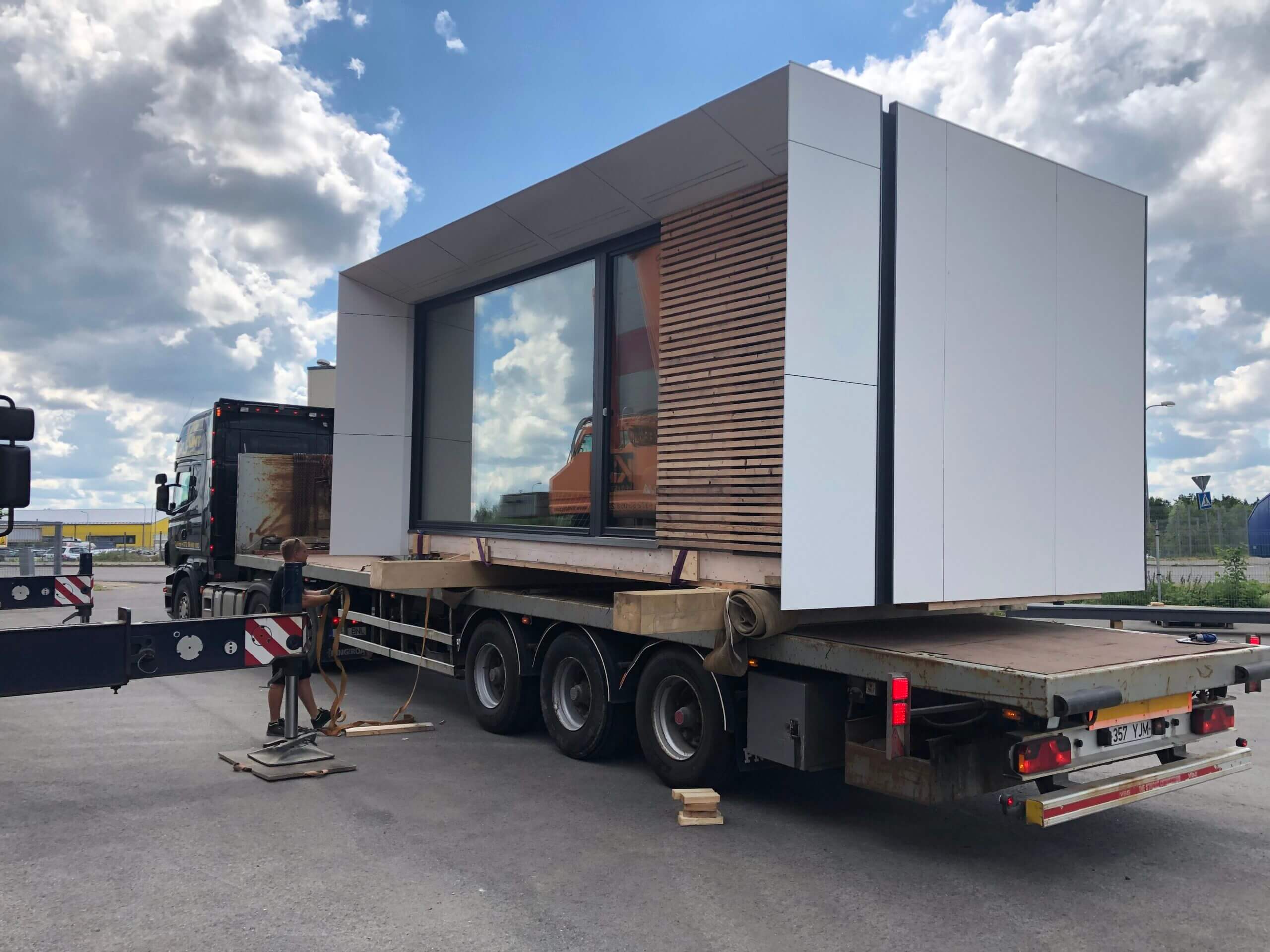
- Factory-built in sections, then delivered and assembled on-site
- Fast build times (as little as 3–4 months from order)
- Controlled, weather-proof production
- Fewer variables = more predictable cost
- Energy-efficient, sustainable materials and finishes
The upside?
Speed, control, lower stress, and modern living standards.
The “trade-off”?
While highly customisable, prefab homes work best with semi-fixed layouts (which we help personalise).
The Key Differences
| Category | Traditional Build | Prefab Home |
|---|---|---|
| Timeline | 12–24+ months | 3–6 months |
| Management | Multiple contractors | One dedicated provider |
| Cost Certainty | Often over budget | Fixed pricing |
| Stress | High | Low |
| Eco Efficiency | Variable | High |
| Design Flexibility | Full custom | Smart custom |
Final Word:
If you’re an expat, time-poor, or simply want a beautiful home without the chaos — prefab is the modern choice. At Expat Homes, we take care of everything from the first idea to the front door.
Explore our most popular homes → View Properties
Or talk to a real person → Book a Call